


Blog Post 5: Title Sequence
- Apr 10, 2024
- 3 min read
Updated: Apr 24, 2025
Blog Post 5- Title Sequence
What is the difference between an opening credits and a title sequence?
A title sequence refers to the entire sequence that opens a film or TV show, which may include various elements such as visuals, music, and other design elements. It sets the tone and introduces the audience to the mood, theme, and style of the production.
Opening credits refer to the portion of the title sequence that displays the names of the cast, crew, studios, and production companies involved in the making of the film or TV show. This segment usually appears at the beginning of the title sequence and provides essential information about the creators and contributors to the production.
What is the purpose of the title sequence?
Title sequences serve multiple purposes, including setting the mood and tone of the production, providing context for the story, introducing key characters or themes, and engaging the audience from the very beginning. They can vary widely in style and complexity, ranging from simple text on a black background to elaborate, visually stunning sequences with sophisticated designs and animations.
What does a title sequence consist of:
-Title or Logo: The main title of the production or the logo displayed at the beginning of the sequence.
-Cast and Crew Credits: Names of the cast members, director, writers, and producers.
-Production Company: The name or logo of the production company responsible for creating the film or TV.
Typography can display titles, names and other information in visually interesting ways including fonts, colours, and layout.
-Music and Sound: The use of a soundtrack or sound effects helps to enhance the mood and atmosphere of the sequence, contributing to the overall experience.
-Narrative Elements: Some title sequences incorporate narrative elements or hints about the plot or characters, providing a teaser of what's to come in the film or show.
Saul Bass

Saul Bass (born May 8, 1920, New York, U.S.—died April 25, 1996, Los Angeles, California) was an American graphic designer and filmmaker who introduced a new art form with his imaginative film title sequences and film posters that conveyed the essence of a movie and prepared audiences for what they were about to see.
Some of his most famous title sequences include those for films like "Vertigo," "Psycho," and "Anatomy of a Murder," all directed by Alfred Hitchcock. Bass's title sequences were characterized by their minimalist yet powerful design, often incorporating simple shapes, bold typography, and dynamic motion graphics.

Photo of his famous title sequence "Vertigo"
Bass's legacy in the world of design and filmmaking is significant. He elevated the role of the title sequence from a mere functional introduction to an integral part of the storytelling process, influencing generations of filmmakers and designers. His work continues to inspire and influence artists and creators to this day, making him one of the most celebrated figures in the history of graphic design and cinema.
Analyse one title sequence
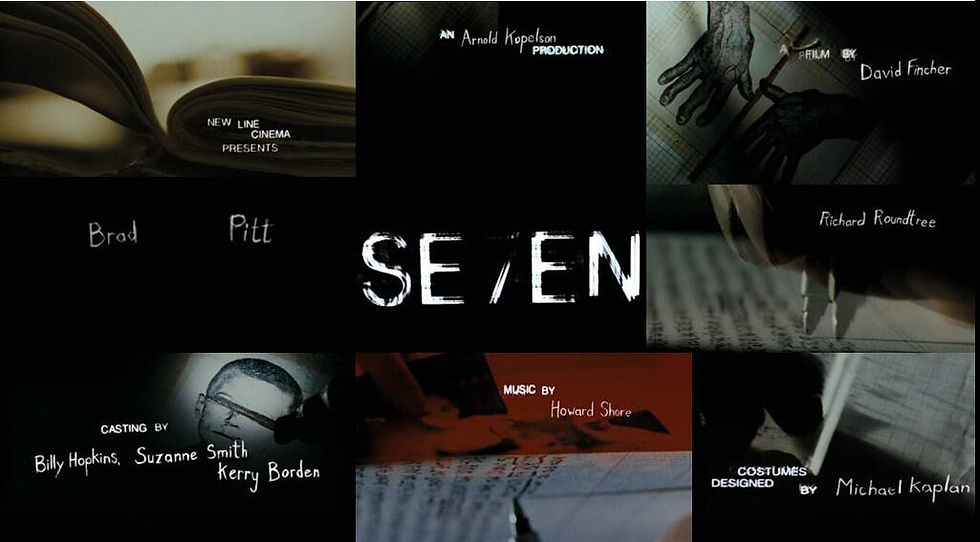
The title sequence of "Se7en" is visually trying to introduce the film to the audience. The title sequence features a series of fragmented and unsettling images, to create a sense of unease and anticipation for the audience. The sequence effectively sets the tone for the dark and atmospheric narrative, and foreshadows the film's central themes of sin, morality, and the darker aspects of human nature which make the audience immersed from the beginning.


Comments